The definition
Corkage is a fee a restaurant charges to open and serve a bottle of wine that a guest brought in.
The fee pays for the glassware, the service, and the wine the restaurant did not sell. It is usually charged per bottle, and it only exists where the restaurant allows outside wine and the law allows it. Some places also set rules: no bottles already on our list, a limit of two bottles per table, or a waived fee when the table buys a bottle too.
How you hear it
The best time to say the corkage fee is before the bottle is on the table: on the website, on the reservation confirmation, and on the wine list.
Where it shows up on the menu or the check
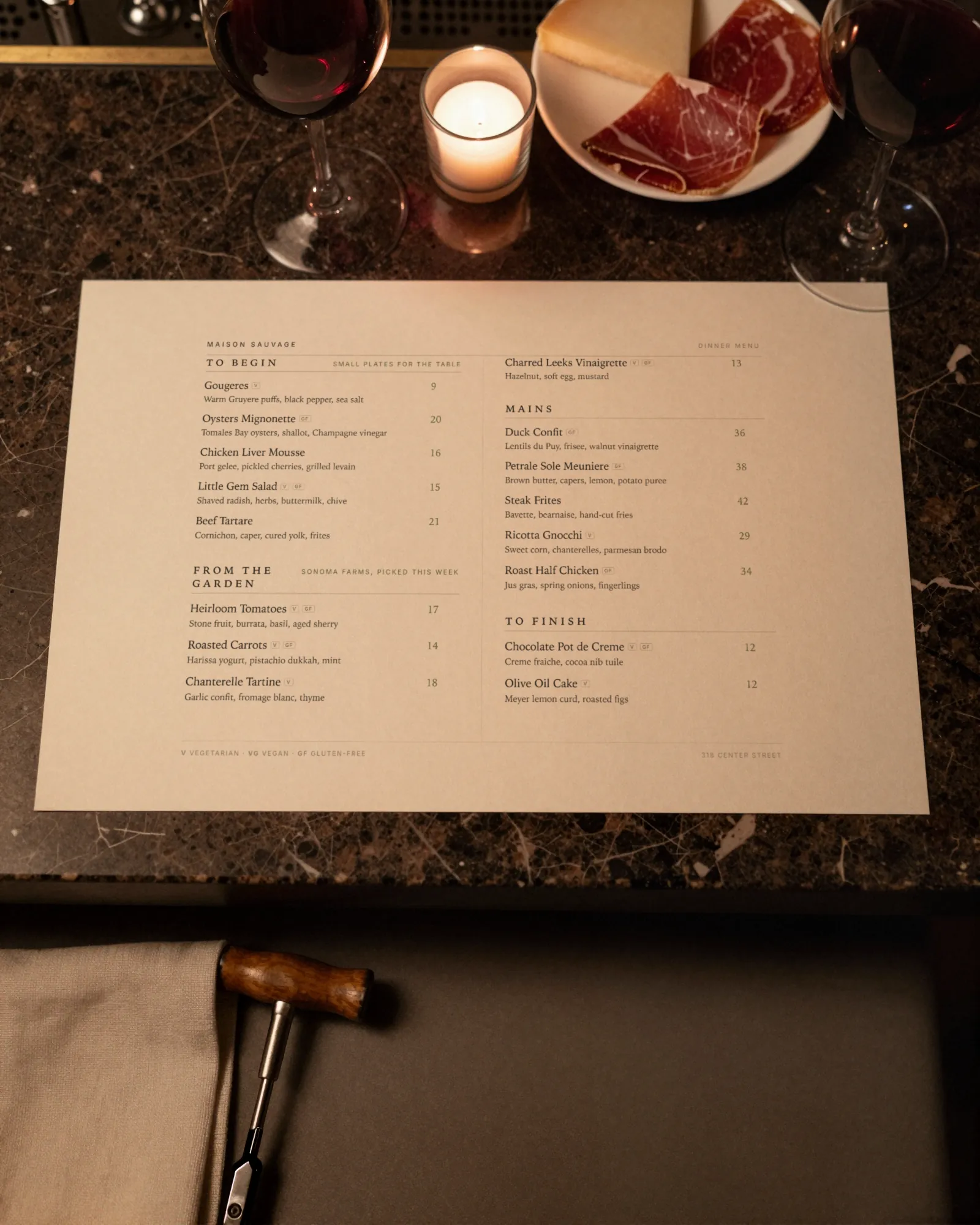
Corkage goes on the wine list, usually at the top or the bottom, as one line with the fee and the house rules: “Corkage 25 per 750 ml bottle, two bottles per table, not for wines on our list.” Some restaurants print it on the dinner menu instead, near the drinks.
On the check, corkage is a line item per bottle, entered when the bottle is opened. If the restaurant waives it, the server should still ring it in and then comp it so the guest sees the courtesy.
What it means for prices and printing
Set corkage with the wine list in mind. If the fee is far below the markup on a similar bottle from your list, guests who planned ahead pay less than guests who did not. Many restaurants price corkage near their lowest-priced bottle for that reason; that is a choice, not a rule.
Whether you can allow outside wine at all is set by state and sometimes local law, and it differs a great deal; some places require a specific license or do not allow it. Check your state’s alcohol regulator before you print a corkage line.
In Gaslamp, corkage is simply one item on the wine list at its price, with the rules in the description or in the note under the heading. If you charge by bottle size, give the line two labeled prices, 750 ml and Magnum.
Where it comes from
The Online Etymology Dictionary dates “corkage” to 1838, from cork plus the suffix -age, meaning a charge by hotel-keepers for serving wine or liquor not supplied by the house.
Go deeper: How to organize a wine list