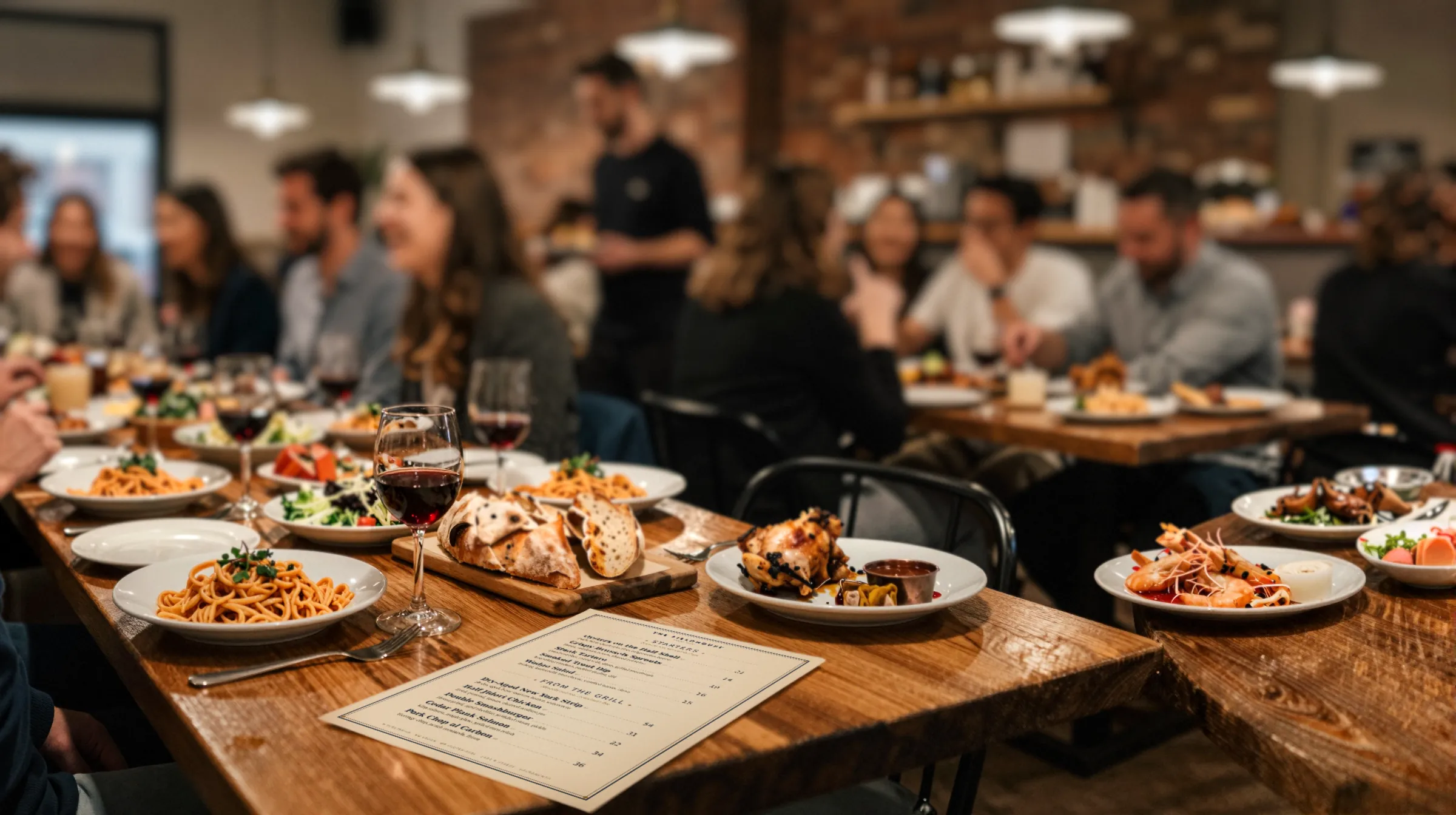
The date and the clock
The winter solstice in 2026 is Monday, December 21. On the calendar, that is winter. In a restaurant, December 21 falls between the holiday parties, Christmas, and New Year’s Eve, which is no week to teach the line new dishes. So the winter menu is built in December and goes on the tables in January.
In 2027, New Year’s Day is a Friday. A changeover on Tuesday, January 5, or Wednesday, January 6, gives the kitchen the weekend after New Year’s to clear out the holiday product and a quiet start to the week to run the new dishes.
The one decision: shorter or not. If your January covers drop, a shorter winter menu wastes less and preps faster. If January is steady for you, a like-for-like swap is enough. Look at last January’s covers before you decide, not at a feeling.
Timeline: six weeks out to the morning after
These are the winter-specific steps. The general changeover mechanics are in the seasonal menu changeover checklist.
| When | Kitchen | Bar | Front of house | The menu |
|---|---|---|---|---|
| Six weeks out (late November) | Pull last January’s sales. List what goes and what comes. | Plan a hot drink and a citrus cocktail. | Set the changeover day. | Add a hidden Winter section. |
| Four weeks out (early December) | Test the braises between parties. | Test the drinks. | Nothing yet; it is December. | Write the lines. |
| Two weeks out (mid December) | Cost every new dish. Place January orders. | Order citrus and spirits. | Plan the January pre-shift. | Price the new lines. |
| The weekend after New Year’s | Clear the holiday product. | Retire the holiday drinks. | Taste the winter dishes with staff. | Proof it. |
| Changeover morning | Braises already in the oven. | New drinks on. | Pre-shift on every change. | Show the Winter section, hide the fall dishes, print. |
| The week after | Adjust batch sizes to real covers. | Watch what sells. | Note what regulars miss. | Cut what did not sell. |
What to serve
- Braises and stews. Short rib, lamb shoulder, a bean stew. They cook ahead, hold well, and suit a quieter night where the line is shorter-staffed.
- Roasted roots and winter greens. Carrots, celery root, beets, kale, chicories.
- Citrus. Winter is when blood oranges, grapefruit, and Meyer lemons are best. A citrus salad or dessert is the bright dish on a heavy menu.
- Soup. Two, if the room is cold. One vegetarian.
- Warm desserts. A pudding, a crumble, something that comes out of the oven.
What to 86 early: fresh-caught fish and anything that depends on a supplier who closes for the first week of January. Ask before you print. What to keep off: summer and fall dishes kept on only because nobody took them off. Winter is the season to shorten.
If you are shortening the menu, decide the cuts with December’s numbers in front of you. List every dish with how many sold in the four weeks before the holidays and what it costs to hold its prep. The dishes at the bottom of both lists go first. A dish that sells little but uses prep the kitchen already has (a side, a sauce from another plate) can stay; a dish that sells little and needs its own product is the one that spoils in the walk-in during a slow January week. Whether twelve mains become ten or eight is for your numbers to say, not a rule.
Pricing: a worked example
A braise shows how a cheaper cut and a longer cook change the math. The costs below are made up; this is not a benchmark.
| Line | Example cost |
|---|---|
| 10 oz raw short rib, cooked to about 6 oz | $5.90 |
| Braising liquid and aromatics, per plate | $0.80 |
| Polenta and roasted carrots | $1.30 |
| Gremolata and garnish | $0.30 |
| Plate cost | $8.30 |
At a 30 percent target in this example, $8.30 ÷ 0.30 = $27.67, printed as $28. Cost the braise from the raw weight you buy, not the cooked weight you serve; the shrink is part of the cost. The menu item price calculator does the division for any dish.
Print and QR plan
Print the full menu on changeover morning. A winter menu runs into March, so fresh paper is worth it. If you shortened the menu, the printed copy is where guests notice first; a shorter menu on good paper reads as confident, not as cut back.
The QR code stays exactly where it is. The winter dishes were built in December in a hidden section; in January you show it and hide the fall dishes. The holiday menus, if you kept them as their own menus, get hidden the same morning.
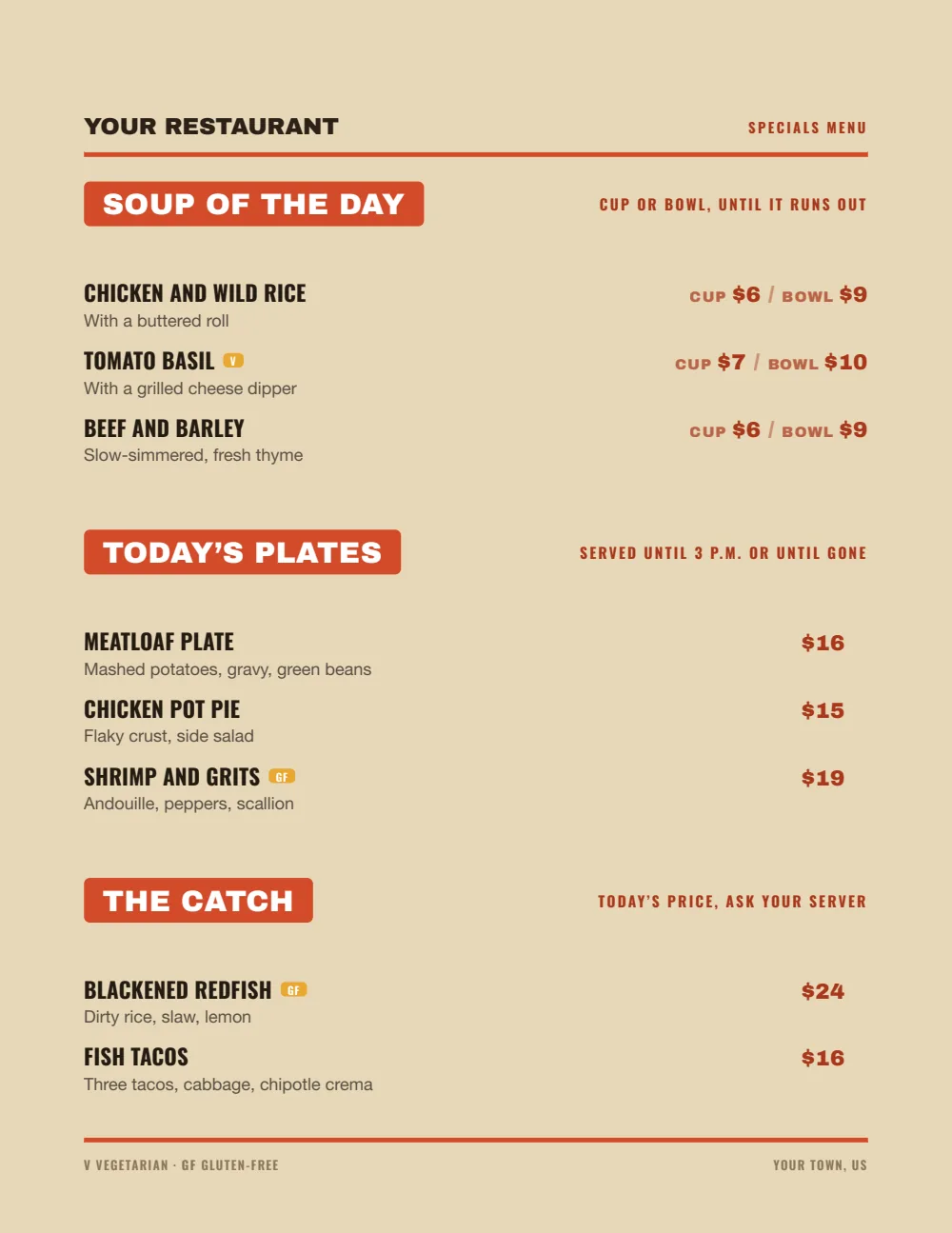
Gastropubs and pubs feel the winter change most in the braise and pie side of the menu; see menu software for gastropubs.
What Gaslamp does not do
It does not switch to the winter menu on a date by itself; you show the section and save. It does not forecast covers or read your sales; pull last January from your POS. It does not update your POS or delivery apps. It keeps the last 50 versions, so the fall menu is there to restore from next September.
Before the winter change comes Christmas; plan them in the same weeks.